

Teachers in Cayman come from around the globe, bringing diverse teaching methods, experiences, and knowledge. To gain deeper insights into the challenges and rewards of their profession, we asked four teachers to share their perspectives with us.

Becky Turner
Becky Turner worked as a teacher in the UK after completing her training and was drawn to the outdoor learning aspect of her current role as Year 6 teacher and maths lead at Footsteps School.
What are your views on how emerging technologies are shaping the way our children learn in Cayman and globally?
Developments in technology are exciting, but I also worry for children growing up with it all around them. Internet safety is vital; we need to teach our children to be discerning about where they get their information from.
What skills do you think we should all learn in today's changing marketplace?
Financial literacy is very important, and something I wish I was better educated in. Last year I taught a ‘Money Management’ course to children at my school and some of their misunderstandings were startling.
What has been the most memorable moment of your career so far?
Probably my first outdoor learning day with Footsteps and taking the children swimming in the sea. I just kept looking around and thinking that I can’t believe this is where I teach now; these children don’t know how lucky they are!
What do you do to make sure that pupils have high expectations of their work and themselves?
I’m lucky; having a small class means I know each child well, and I know what they are capable of. Providing challenges is important for them, knowing there’s always more ways to push ourselves – I’ve always got a bank of extension activities ready to go.
What advice would you give older students who are about to move on to high school?
Get organised! Going from one teacher, and classroom, to many can be a challenge, so it’s important to know what you need and when. Pack your bag the night before – as an adult this still helps me today!

Samanatha Cooper-Ferguson
Samantha Cooper-Ferguson studied at University of the West Indies and has previously taught in Jamaica and Bermuda before becoming a Year 3 teacher at Spot Bay Primary School, Cayman Brac.
What has been the most memorable moment of your career so far?
I was in the playground on supervision duty when my students came up to me and initiated playing and conversations about random topics. I observed how happy and curious they were about life and enjoyed the opportunity to engage with them and create a memory. In this moment, I reflected on how life brings us fleeting opportunities to connect with our students and make a difference in their lives. Lesson learned - sometimes, it is the small things that make a big difference.
What are your views on how emerging technologies are shaping the way our children learn in Cayman and globally?
Technology is enabling us to provide more personalised learning paths for each student, adapting to their individual pace and style. At Creek and Spot Bay Primary, we utilise various online learning platforms to differentiate teaching and learning, and foster growth in every student, despite their level of performance. The greatest benefit of these platforms is that they allow students to work at their own pace and develop a sense of responsibility for their own learning.
What do you hope your school will have achieved in the next five years?
I hope our school will achieve at least 90% success in producing students who are performing at or above the expected academic standard in core subjects. I also hope to see students who are adaptable and intrinsically motivated with a strong framework for building the skills that will help them advance in a diverse world as they enter high school.
What advice would you give older students who are about to move on to high school?
Enjoy your childhood. Do not be in a hurry to grow up – work hard and play hard. Do not compare yourself to others; measure your success based on your own standards and goals, and work towards self-improvement.

Ashley Osborne
Whilst studying in the US Ashley Osborne experienced an extraordinary internship as a primary teacher which lead her to become a Year 5 teacher at Theoline McCoy Primary School, Bodden Town.
What can parents do to supplement their child's education?
Read with them and to them, have discussions about current events, involve them in the kitchen and household activities, and take them to local sites. These simple practices will help embed literacy, maths, and social skills with the added benefit of costing little to nothing.
What advice would you give older students who are about to move on to high school?
Make the most of your time and don’t compare yourself to others. If you focus on nurturing your strengths and learning from your mistakes, you will flourish.
What skills do you think we should all learn in today's changing marketplace?
There’s no denying that effective communication and digital literacy are critical skills in today’s marketplace. However, I also think innovation and problem solving give one an edge over competition.
What can be done to ensure that everyone is motivated and happy at school?
Food and shelter are necessities, but feeling safe and secure is also essential. By creating a warm classroom environment, where students of all backgrounds and abilities feel welcome, the groundwork is laid for having a class full of motivated students.
What do you do to make sure that pupils have high expectations of their work and themselves?
I try to subtly embed positive affirmations into my classroom. I work these affirmations in as casually and frequently as I can so that they know I truly believe they are smart and capable. Having someone believe in them is often the push they need to hold themselves to a higher standard.

Natalie Hart
Natalie Hart arrived in Cayman 18 years ago, originally working in the hospitality industry before being inspired to teach. She returned to Canada to study and get qualified and is now a Kindergarten teacher at Cayman International School.
What are your views on how emerging technologies are shaping the way our children learn in Cayman and globally?
It is imperative that children are equipped with the understanding of how to appropriately leverage technology, while continuing to build their own critical thinking skills. It's a fine balance. With technologies like social media and AI serving as primary sources of information, children must be mindful of where they venture online. Conversations about online vigilance should start early so children are safe and prepared.
What do you do to make sure that pupils have high expectations of their work and themselves?
I believe that once a student experiences the thrill of success through perseverance, it motivates them to push harder going forward. Having a growth mindset plays a crucial role in this. It teaches that failure is an integral part of the learning process. In class, I celebrate many of my own mistakes and highlight the outcome once I fix them. Every mistake you make means you're one step closer to developing grit, learning something new and feeling proud of yourself when you finally reach your goal.
If you were to take your students on an educational holiday, where would you take them and why?
We would first explore Cayman – the place we all call home – and then travel to the different home countries of students in class. While it's not a realistic field trip option, it would be such a magical way to celebrate how unique we all are.
What has been the most memorable moment of your career so far?
The memories that stick with me most are the moments when students overcome obstacles, experience wins, or apply strategies they've learned. Sometimes, these moments might appear small on the surface, but being there behind the scenes and knowing the hard work they've put in makes it truly special.
Melissa Brooks
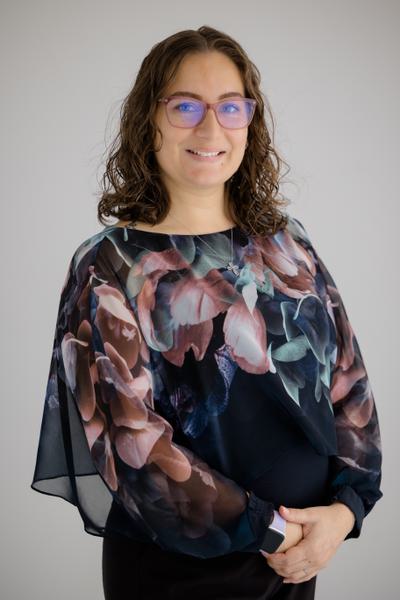
Melissa Brooks teaches Years 1-6 at Lighthouse School, working with students with Profound and Multiple Learning Disabilities.
What’s your best technique for grasping everyone’s attention in class?
In a Profound and Multiple Learning Disabilities (PMLD) classroom, gaining all students’ attention at the same time looks like bringing them all together and bringing the activity to their attention and allowing them to touch or feel the object.
Which famous actor would you love to invite into your class to read out loud to the children, and which book would it be?
Jim Carrey, dressed as the Grinch, to read Dr Suess’s 'How the Grinch Stole Christmas'. He would bring the book alive for the students. They would be able to feel his costume and hear his authentic Grinch voice!
What is your favourite movie and why?
My favourite movie is 'Encanto' because it portrays real-life problems such as family drama and ends with a strengthened family bond.
Which of your current or previous colleagues do you admire the most and why?
Mrs Dorothy Bodden-Wilson. She was once a teacher, then a Deputy Principal and is now one of my Assistant Teachers. The way her passion still burns for each and every student and her energy to keep pushing through after all these years in education inspires me, and I am so grateful for all that she does in our classroom.
Has the introduction of technology in the classroom changed the way you teach?
I grew up with technology so it’s all I’ve ever really known. In my classroom, technology gives my students a voice in the form of Augmentative and Alternative Communication (AAC).
Do you have a fun activity you add to the timetable to boost spirits and keep the children motivated?
I incorporate sensory breaks into my schedule where the kids have a time to choose what sensory activity they want to do and allow them some time to explore that activity. Some of these activities are playing with shaving foam, popping bubbles, reading a textured book and playing with cloud dough.
Rene Harrison
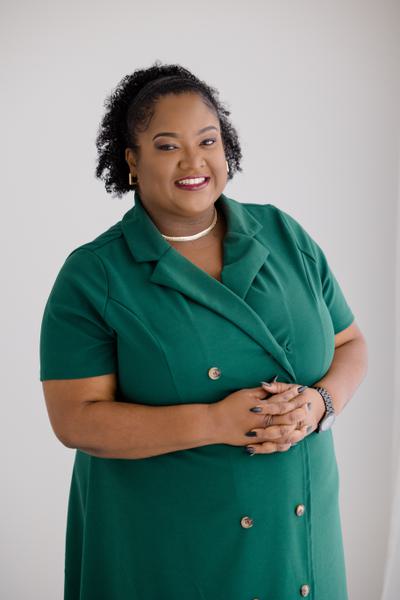
Rene Harrison was drawn to professions such as Social Work and Child Psychology but chose teaching to help children reach their full potential. She is a Year 4 teacher at Red Bay Primary School.
How has teaching changed or evolved since you first became a teacher?
I'm coming from the era of 'chalk and talk', so teaching has undergone significant changes since then. As well as advancements in technology, there is now a greater emphasis on differentiation, socio-emotional learning and catering to diverse learning styles to meet the needs of every student.
Which famous actor would you love to invite into your class to read out loud to the children, and which book would it be?
Tom Hanks to read 'Charlotte's Webb'. His storytelling ability combined with the timeless charm of the book would surely captivate the students and ignite their imagination.
Do you think there should be more opportunities to teach outdoors in Cayman?
Absolutely! The natural beauty of the Island provides the perfect backdrop for outdoor learning experiences that foster creativity, exploration and a deeper connection to the environment. RBPS has created such a space, it's called our 'Literary Cafe' and it is a great outdoor teaching area.
Who was your favourite teacher as a child and why?
Mr Amos Thompson. He had a very fun and supportive approach that made learning enjoyable and accessible to everyone in the class. He went out of his way to recognise each student's strengths and encourage their individual growth, instilling in me a lifelong love for learning. He's the reason I am a teacher today.
Do you have a fun activity you add to the timetable to boost spirits and keep the children motivated?
The weekly 'mystery box challenge'. I fill a box with various objects related to our current unit of study or a specific theme, and students take turns guessing what's inside based on clues. It's a hands-on, interactive activity that encourages critical thinking, curiosity and teamwork, all while fostering a sense of excitement and anticipation in the classroom.
Kate Molitor
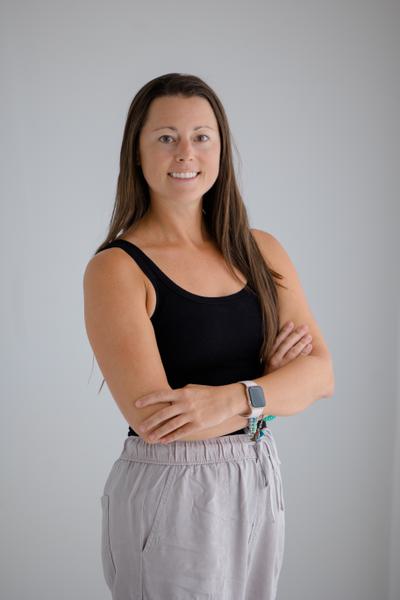
Kate Molitor began teaching in the US 14 years ago. She is now a Year 1 teacher at Island Primary .
What has been the best moment of your career?
I’m brought back to a time when after two years of working with a struggling reader, the student came to me with words from the classroom that were super complex and had them feeling frustrated and down about their own reading abilities. I supported them by breaking these words into syllables, and then the student successfully applied their decoding skills to read each word. The beaming grin and sense of pride that was radiating from this student will forever be in my memory.
Funniest thing a child has said to you at school?
“Ms Kate, do you have a silver-coloured pencil? I need to draw the silver bits of your hair.”
Do you have any tips for parents who struggle to get their children to read at home
Ensuring children have the proper literacy foundations is key to helping a struggling reader. When students have the phonics knowledge to breakdown a word into syllables and see the individual sounds that make up a word, they feel their own success and confidence begin to grow. Try to make reading fun! Read a recipe while baking, read directions to a game, read the rules posted at the water park, read boxes in the grocery store, read aloud to your child, listen to books on tape, read books outside, there are endless opportunities to incorporate a bit of fun into reading practice.
If you could take your class anywhere in the world, where would you take them?
I’d take them on a trip to my hometown, Chicago. It's a place that I love! We would visit the museums, go on a river tour, take the train to the forests for a nature walk, and enjoy some deep-dish pizza! Something all my students know I love!
Has the introduction of technology in the classroom changed the way you teach?
Technology has provided a lot of ease and global expansion of the curriculum in my classroom. I’ve been able to connect my students to scientists in Antarctica, activists in Hawaii, authors in Australia and China, and more. Technology has given me the opportunity to broaden the student’s global views and provided them with connections to incredible people beyond the community they are familiar with.

Kimberley Yapp-Brady
Kimberley Yapp-Brady began teaching in 2002, gained a degree in Law in 2007 and is now Acting Deputy Principal at Sir John A Cumber Primary School.
What has been the best moment of your career?
This would be the recent grand opening of the school’s new sensory/calming room that has equipment and resources available for students in need of sensory regulation. The successful project included working with community stakeholders, and one of the best groups of specialist staff on the island.
Which famous actor would you love to invite into your class to read out loud to the children, and which book would it be?
I would invite Morgan Freeman to read 'Wonder' by RJ Palacio. A story about a boy with a facial difference navigating school and friendships, it emphasises the need to be accepting of others and the importance of showing kindness.
When did you decide to become a school teacher and why?
I decided to become a teacher because of a personal experience I had with a teacher from my childhood. She made me repeat daily positive affirmations and it had a significant impact on my life. This inspiration gave me the desire to have a similar positive influence on children.
Which of your current or previous colleagues do you admire the most and why?
Mrs Valerie Thompson, a previous colleague who has now retired. I admire her because it was through her love of teaching and involvement in school activities such as dance and sports, that I realised teaching is not just in the classroom.
What has been your greatest concern for children in recent years?
I have become increasingly concerned about students’ behavioural challenges. I have observed that their mental and emotional well-being is at risk due to events linked in their home. This may be due to the experience of trauma or failing marriages. Unfortunately, students become distracted in school, lack focus on their academic work and sometimes express anger towards teachers and other students.


