

Many parents wonder how to support their child’s reading and writing skills, and the answer might be as simple as opening the back door. By Tatum Acutt, Owner of Baobab Education
When children from toddlers to teens play and explore outdoors, they’re not “missing out” on learning – in fact, they’re building vocabulary, imagination, and even physical skills that form the foundation of literacy. Research shows that the multi-sensory, low-stress environment of nature can boost kids’ language development and even improve reading performance. In this article we explore how nature play supports literacy at every age, and how parents can nurture reading and learning through outdoor fun.
Early Childhood (Ages 2–5): Language Blossoms Outside
In the early years, every new word and experience is a building block for literacy. Outdoor play naturally leads to rich conversations – think of your toddler excitedly naming a butterfly or your preschooler making up a story about a fairy house in the garden. Children tend to use more complex language when they’re playing in nature. All those chats about bugs and clouds aren’t just cute; they’re boosting your child’s vocabulary and comprehension. In fact, research has found that kids who hear a rich variety of words early on ultimately show stronger reading skills in later elementary school. The key at this age is to let kids lead with their curiosity while you listen and respond with new words and open-ended questions.
As they climb, dig, and run around outside, young children are also developing the physical abilities that support reading and writing. For example, hanging on monkey bars or digging in the sandbox strengthens their shoulder and hand muscles – the same muscles they’ll use to hold a pencil and write. Even balancing on uneven ground or jumping over a log helps train the eyes to track movement, building strong eye muscles for following lines of text. Activities like spinning and rolling (which happen naturally during outdoor play) develop a child’s balance and body awareness, helping them to sit still and focus during story time. In short, when your little one is splashing in puddles or crawling through the grass, they’re secretly building up the strength and coordination that will help them with literacy down the road.

Tips for Little Learners:
Talk and explore together
As you walk outside, point out and name things you see (“Look at the fuzzy caterpillar on the green leaf!”). Describing objects in detail introduces new words in a natural way.
Storytime in nature
Bring a favourite book outside and read under a tree or on a picnic blanket. The change of scenery can make storytime extra special and engaging for young children.
Nature storytelling
Encourage pretend play inspired by nature. Perhaps the acorns become a make-believe tea party or the sticks turn into magic wands. Join in and narrate the play (e.g. “The princess leaves her castle to visit the forest…”), helping your child weave narratives.
Alphabet hunt
Turn the outdoors into a letter game. Search for natural items that resemble letters (“That twig looks like a Y!”) or find objects that start with certain sounds (“b-b-bird” for letter B). This makes early literacy feel like a fun treasure hunt.
Sing and rhyme outside
Sing nursery rhymes or made-up songs about what you see (“Twinkle, twinkle, little spider…”). Silly as it may be, playing with sounds and rhymes builds phonemic awareness, a key pre-reading skill, all while your child is bouncing around outdoors.


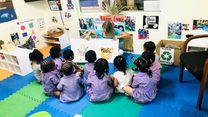


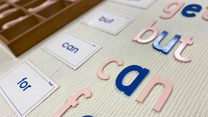
Elementary Years (Ages 6–11): Reading and Writing Come Alive Outdoors
Once children are in elementary school and actively reading and writing, nature becomes an extension of the classroom. The outdoors can make abstract lessons feel real and exciting – instead of just reading about a caterpillar’s life cycle or a historical pioneer, kids can observe a butterfly garden or visit an outdoor historical site. This hands-on context builds understanding and keeps them motivated. Many kids also focus better and remember more when learning is combined with movement and exploration. In fact, some schools that integrate regular outdoor learning have found students’ reading skills actually improve as a result. The combination of fresh air and active discovery can turn reading, writing, and even science into an adventure rather than a chore.
Nature also offers endless inspiration for reading and writing activities at this age. Elementary-aged kids love to share stories and new facts, and an outdoor setting gives them plenty to talk and write about – from an interesting bug they found to the changing colours of fall leaves. Your child might start a nature journal, scribbling down their observations of a ladybug or writing a short poem about the rain. They might not even realise it’s learning! Reading outside can be a treat too, especially for kids who get antsy indoors. A book read in a cozy backyard fort or under a shady tree at the park can hold a child’s attention longer than the same book at a desk. The key is to keep it fun and let their interests guide the reading and writing – one day it might be a comic book on the porch, another day it’s a field guide to birds at the nature reserve.
Ideas for School-Age Kids:
Outdoor reading picnic
Take reading time outdoors. Spread a blanket in the yard or park, bring a few snacks and books, and enjoy reading together. The novelty of a 'reading picnic' can make a usually reluctant reader more eager to dive into a book.
Scavenger hunt for words
Create a simple scavenger hunt that involves reading clues or finding written words in nature. For example, write out clues that lead your child to find a garden sign, a stop sign, or a birdhouse. They’ll practice reading each clue and get a thrill from solving the puzzle.
Start a nature journal
Give your child a notebook to use as their nature journal. After outdoor adventures, have them write a few sentences about something cool they saw, or draw a picture and add labels/captions. They might write, “Today I spotted a shiny green beetle on the tomato plant,” which practices descriptive writing in a fun way.
Storytelling walks
Turn walks into story time. Take turns with your child to invent a story as you stroll. You might start with, “Once upon a time, a little rabbit lived under that bush…” and let your child continue the next part. This improvisational storytelling boosts their narrative skills and imagination.
Nature-inspired art and writing
Encourage your child to collect some leaves, flowers, or interesting rocks and then create a mini-project. They could make a nature collage and write a few sentences about each item (“This leaf is smooth and dark; I found it near the old oak tree.”). Combining art, observation and writing helps them connect words to the real world.
Tweens and Teens (Ages 12+): Keeping Literacy Engaging Through Nature
For older kids, nature offers a much-needed change of pace from screens and school stress. Adolescents might not romp around the playground anymore, but a hike in the woods, a bike ride on a trail, or even just chilling at a park can still work wonders for their wellbeing and readiness to learn. Stress relief is a big benefit – the simple act of going outside has been shown to significantly reduce stress levels in children and adults (cymbrogi.org.uk). Less stress means a clearer mind, which makes it easier for teens to focus on reading or homework. In fact, kids who spend time outside tend to be better at paying attention and are less anxious than those who stay cooped up indoors (childmind.org). Your teen might find that after shooting some hoops or taking the dog for a walk, they can come back to their essay or textbook with a fresher, more focused brain.
Nature can also spark fresh inspiration and engagement for tweens and teens, who sometimes need a break from the traditional learning routine. A quiet spot outdoors might encourage your teen to journal their thoughts or write a poem for English class, especially if the environment helps them feel relaxed. If your middle schooler is into science or art, observing wildlife, weather or the stars can lead them to read articles or guides on those topics, blending passion with literacy. Even group outdoor activities can have a literacy angle. Think about a camping trip: reading trail maps and park brochures, telling stories around the campfire, or identifying constellations using a star chart all involve reading and communication. These real-world, enjoyable experiences keep literacy relevant during the pre-teen and teen years. By letting your older kids take the lead in outdoor interests – whether it’s researching how to build the best treehouse or devouring a novel on the porch – you’re helping them see reading and learning as enjoyable, personal pursuits, not just school assignments.
Tips for Teens:
Outdoor study breaks
Suggest that your teen take short breaks outside while doing homework or studying. A 15-minute skateboard ride or simply sitting on the porch between study sessions can recharge their concentration for the next reading task.
Reading in a new setting
Encourage your teen to read or study in a favourite outdoor spot. If they have a novel or history chapter to get through, doing it at a picnic table in the park or in a hammock in the backyard can make it feel more relaxing. A change of scenery can turn “ugh, I have to read” into a peaceful moment of escape.
Nature journalling or photography
For creative teens, suggest keeping a journal or digital blog of outdoor observations. They might write a short reflection or poem each time they experience nature – for instance, describing a sunset or noting the first flowers of spring. If they enjoy photography, they can take photos on hikes or walks and then write captions or stories to go with the images.
Connect literature with life
If your teen is reading literature for school, find ways to connect it to the outdoors. Reading The Hunger Games? Maybe go on a hike and talk about wilderness survival. Reading a poem about the stars? Do a little stargazing together. Linking books to real experiences can deepen their understanding and make discussions more engaging (even for typically taciturn teens!).
Family outdoor book club
Make outdoor literacy a family affair by occasionally having a 'family reading day' outside. Go to a park or even your backyard, each family member armed with a book or article of their choice. After some quiet reading time, you can chat together about what each person read. This not only models a love of reading for your teen but also gives them an opportunity to articulate their thoughts and listen to others – great practice for communication skills.
Remember...
From toddlers chasing butterflies to teens lounging under a tree with a novel, every age of childhood can reap the literacy benefits of nature play. As a parent, you have the joy of watching your child discover the world and new words within it. Remember that building reading and writing skills doesn’t always have to happen at a desk or on a screen. It can happen when your 3-year-old excitedly describes a 'slimy worm', when your 8-year-old scribbles a nature poem, or when your 16-year-old finds calm reading outside after a busy day.
By encouraging time in the natural world, you’re giving your children experiences that enrich their language, ignite their curiosity, and inspire a lifelong love of learning. So go ahead – step outside with your kids and watch as the literacy-rich adventures unfold. Your child’s next chapter in learning might just begin with a walk in the park.
Sources
The insights and suggestions above are informed by research and experts who emphasise the link between outdoor play and literacy. Studies have documented improvements in reading comprehension and focus from learning in natural settings (www.pathsoflearning.net), and early childhood experts observe that vocabulary and imaginative play flourish outdoors (www.educatedbynature.com).
Outdoor play also supports the physical development (strong eyes, core, and hands) that makes reading and writing possible (www.1000hoursoutside.com).
Perhaps most importantly, nature helps lower stress and boost attention, creating a positive state of mind for learning (www.cymbrogi.org.uk and www.childmind.org).
All of this means that a simple romp outside truly can help nurture your child’s reading and learning – in ways that are healthy, enjoyable, and built to last.
About the Author
Tatum Acutt is a Reading Specialist with an MSc in Curriculum and Instruction, with an emphasis on Reading. Tatum has over 18 years of education experience and is the owner of Baobab Education, where she focuses on reading intervention and dyslexia support for children. Tatum is passionate about growing support services for diverse needs in Cayman, and empowering parents to help guide young children towards reading proficiency and fluency.


